
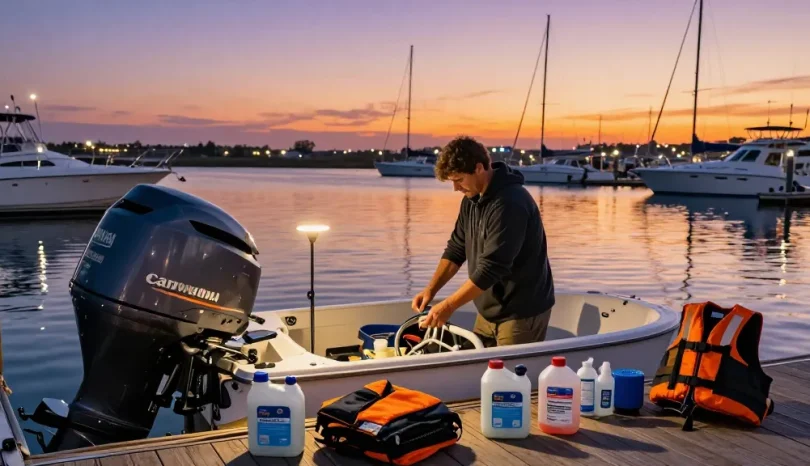
Costly Outboard Motor Winterization Mistakes Boaters Keep Making in 2026
Understanding Outboard Motor Winterization
As the boating season winds down, many owners begin to consider the best practices for preparing their outboard motors for winter storage. Winterization is not just a precaution; it’s essential for ensuring your motor remains in peak condition for years to come. Proper outboard motor winterization safeguards against cold temperatures, moisture, and the potential accumulation of debris, all of which can lead to costly repairs if neglected.
Why Winterization is Crucial for Your Outboard Motor
Winterization of your outboard motor is crucial for several reasons. First and foremost, cold weather can cause the water in your engine’s cooling system to freeze, leading to cracks and extensive engine damage. Furthermore, a properly winterized engine will help prevent corrosion due to the presence of moisture. Without adequate preparation, the wear and tear on engine components can accelerate, potentially leading to malfunction in the upcoming boating season.
Key Components of Outboard Motor Winterization
When it comes to winterizing your outboard motor, there are a few critical components to consider. This includes:
- Fuel System – Stabilizing fuel prevents gumming and keeps the fuel system clean.
- Engine Oil – Changing the engine oil before storage helps prevent corrosion.
- Cooling System – Flushing and draining the cooling system ensures no water remains to freeze.
- Battery Maintenance – Disconnecting and charging the battery prolongs its life.
- Exterior Cleaning – Ensuring that the exterior is clean reduces corrosion and damage from salt and grime.
Essential Steps for Effective Outboard Motor Winterization
Preparing Your Outboard for Storage
Preparation is key when winterizing your outboard motor. Begin by thoroughly cleaning the exterior and removing any salt or debris. Inspect hoses and connectors for wear and tear, and ensure that all moving parts are lubricated. This not only helps with function but also protects against corrosion.
How to Properly Clean and Protect Your Engine
Cleaning your engine involves more than just a surface wash. Pay close attention to areas where salt and grime can accumulate. Use fresh water to rinse off any residue, followed by a mild detergent, and ensure that you allow everything to dry completely before storage. Applying a protective spray can further shield components from corrosion during the winter months.
Winterizing Fleets: Best Practices for Multiple Engines
For those managing multiple outboard engines, a systematic approach is vital. Create a checklist for each engine, including specifics such as oil changes, fuel stabilization, and battery maintenance. Designating one individual or team for winterization can streamline the process and minimize the risk of overlooking important steps.
Advanced Techniques for Optimal Motor Maintenance
Pro Tips for Fuel Stabilization During Winter
One of the most effective ways to winterize your outboard motor is through fuel stabilization. Adding a quality fuel stabilizer to your tank and running the engine for a few minutes ensures that the stabilizer reaches the entire fuel system. This process mitigates issues with gumming and clogging, which can occur when fuel sits stagnant for long periods.
Utilizing Anti-Freeze and Protectants Effectively
During the winter months, anti-freeze is essential for protecting your engine’s cooling system. Use marine-grade anti-freeze, as it’s designed specifically for use in marine environments. Ensure that you follow the manufacturer’s recommendations regarding dilution rates and application methods for optimal results.
Monitoring Your Outboard After Winterization
Even after proper winterization, it’s beneficial to periodically check on your outboard motor. Performing a simple visual inspection can help catch potential issues before they escalate. Look for signs of moisture accumulation, rodent activity, or any physical damage that may have occurred during storage.
Potential Risks and How to Avoid Them
Identifying Signs of Improper Winterization
Detecting signs of improper winterization early can save you significant repair costs. Common indicators include leaks, unusual noises, and difficulty starting the engine in the spring. If you notice any of these symptoms, it may be time to seek professional assistance to assess the condition of your motor.
What Could Go Wrong: Costly Repair Scenarios
Neglecting winterization can lead to disastrous outcomes. For instance, frozen water in the engine can cause catastrophic cracks, while untreated fuel can lead to clogged injectors or carburetors. Such issues not only incur high repair costs but can also lead to extended downtime during the next boating season.
FAQs About Outboard Maintenance and Winterization
What are the benefits of winterizing my outboard motor?
Winterizing protects your investment by preventing freeze damage, corrosion, and fuel system issues.
How do I know if my motor is properly winterized?
Following a comprehensive checklist and visually inspecting components can help ensure proper winterization.
Can I delay winterization if I plan to use my boat in the fall?
Delaying winterization can pose risks, especially if temperatures drop earlier than expected.
What common mistakes should I avoid during winterization?
Avoid skipping steps such as fuel stabilization and neglecting battery maintenance.
Are there specific products recommended for winterizing outboard motors?
Using marine-grade fuel stabilizers, anti-freeze, and cleaning detergents can optimize your winterization process.
Future Trends in Outboard Motor Care and Technology
Innovations in Engine Technology for 2026
As we move into 2026, advancements in engine technology promise to enhance efficiency and reduce environmental impact. Manufacturers are focusing on developing lightweight materials and hybrid engines that offer lower emissions while maintaining high performance. These innovations present exciting opportunities for boaters looking to upgrade their outboard motors.
Eco-Friendly Practices for Outboard Motor Care
With a growing emphasis on sustainability, many boaters are now seeking eco-friendly practices for outboard motor care. This includes using biodegradable cleaning products and properly disposing of waste materials to minimize environmental harm. Additionally, opting for electric or hybrid outboard motors can significantly reduce a boat’s carbon footprint.
Emerging Trends in Boating and Marine Equipment
The boating industry is seeing a shift towards smart technology integration, including advanced monitoring systems and connectivity features. These innovations allow boaters to track engine performance and receive maintenance alerts, simplifying the upkeep of their watercraft.