
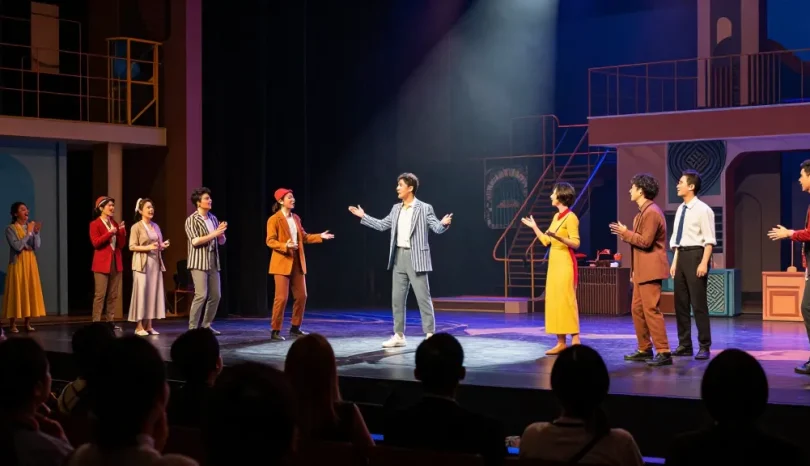
rokok 88 Deep Dive: Uncovering Modern Theatre Trends in 2026
Introduction to Modern Theatre Trends
In the rapidly evolving landscape of performance arts, modern theatre trends are dynamically reshaping how audiences experience and engage with creative expressions. The emergence of platforms like rokok 88 signifies a growing interest in exploring the intersection between contemporary culture and the performing arts. This platform serves as a pivotal hub for enthusiasts of theatre and entertainment, offering insights into modern forms of artistic expressions that resonate with today’s audiences.
What is rokok 88?
ROKOK88 represents a vibrant community dedicated to theatre, performing arts, and modern culture. It functions not only as an information portal but also as a gathering place for artists, creators, and audiences alike. This platform emphasizes the significance of modern storytelling through various mediums, including theatre, music, and digital entertainment. By delivering diverse content that reflects current trends, ROKOK88 empowers its users to discover new artistic experiences that broaden their understanding and appreciation of modern theatre.
Evolution of Theatre in the Digital Age
The journey of theatre has transitioned significantly from traditional forms to the digital realm, impacting both production and audience engagement. The rise of streaming services and social media has given theatre artists new avenues to showcase their work, extending their reach beyond physical stages. Today, theatre can be experienced in virtual formats, allowing audiences to embrace an array of performances without geographical restrictions.
This digital transformation has also led to innovative storytelling techniques, where multimedia elements enhance narratives and engage viewers on multiple sensory levels. As we progress through 2026, the integration of technology in theatre is expected to deepen, making performances more immersive and interactive.
Role of Community in Modern Entertainment
Communities play a vital role in shaping entertainment landscapes, fostering collaboration and creativity among artists and audiences. Modern theatre thrives on community engagement, where local stories and cultural narratives take center stage. Platforms such as ROKOK88 not only spotlight individual artists but also create a sense of belonging for fans of theatre and performance art.
Through workshops, discussions, and community events, theatre enthusiasts can connect, share ideas, and inspire one another, enriching the cultural fabric of contemporary entertainment.
Theatre and Cultural Reflection
How Theatre Mirrors Society in 2026
Theatre has long been a mirror reflecting societal values, tensions, and aspirations. In 2026, we are witnessing a profound relationship between modern theatre and social dynamics. The themes explored in theatre productions often resonate with real-world issues, addressing topics such as identity, inequality, and environmental concerns.
Contemporary playwrights are crafting narratives that invite audiences to engage with these pressing themes, encouraging critical reflection and dialogue. As society evolves, so does the thematic landscape of theatre, ensuring its relevance and impact.
Impact of Popular Culture on Modern Theatre
Popular culture significantly influences modern theatre, shaping both the content and form of performances. Theatre companies are increasingly drawing on contemporary media, integrating familiar pop culture references into their narratives to attract younger audiences. This synergy between theatre and pop culture creates a rich tapestry of engagement, making performances more relatable and accessible.
Case Studies of Successful Productions
Examining notable productions can provide insights into the successful fusion of traditional theatre with modern influences. For instance, recent adaptations of classic plays infused with contemporary language and themes have garnered attention and acclaim. Works that utilize multimedia elements or interactive experiences have also resonated with audiences, illustrating how innovation can breathe new life into established forms.
Innovative Practices in Performance Art
Utilizing Technology in the Theatre Experience
Technology is revolutionizing the theatre experience, from production processes to audience interaction. Virtual reality (VR), augmented reality (AR), and digital projections have expanded the possibilities for storytelling, creating immersive environments that captivate viewers. These technological advancements allow audiences to engage with performances on a deeper level, transforming traditional theatre into multisensory experiences.
Interactive and Immersive Theatre Concepts
Interactive theatre blurs the lines between performer and audience, inviting viewers to play an active role in the narrative. This format fosters a unique connection, as participants influence the storyline and outcomes. Immersive theatre experiences, where the performance unfolds in nontraditional spaces, encourage audiences to explore and interact with the environment, thus enriching engagement and emotional connection.
Collaborations Across Disciplines
Collaborative projects that bridge various artistic disciplines are gaining traction in modern theatre. The intersection of theatre with visual arts, dance, and music enriches the overall experience and fosters innovative approaches to storytelling. These collaborations not only diversify the artistic palette but also attract a wider audience, enhancing the cultural relevance of theatrical productions.
Challenges Facing Contemporary Theatre
Adapting to Changing Audience Expectations
Theatre practitioners are tasked with adapting to an audience that is increasingly demanding diverse and engaging experiences. As entertainment options proliferate, the challenge lies in capturing attention through innovative storytelling and dynamic performance styles. Understanding audience preferences and feedback is essential for theatres to thrive in this competitive landscape.
Financial Sustainability in the Arts
The financial viability of theatre institutions is a pressing concern, especially in an era where funding sources are limited. Many theatres are exploring alternative revenue streams, such as membership programs, crowdfunding, and partnerships with businesses. By diversifying funding sources, theatres can continue to produce quality performances and remain accessible to audiences.
Overcoming Barriers to Accessibility
Accessibility remains a crucial issue in modern theatre, necessitating ongoing efforts to ensure all individuals can enjoy performances. This includes providing accommodations for diverse audiences, such as captioning, audio descriptions, and affordable ticket pricing. By prioritizing accessibility, theatres not only fulfill their social responsibility but also expand their audience base, fostering inclusivity in the arts.
Future of Theatre and Entertainment
Predictions for Theatre in 2026 and Beyond
As we look toward the future, several trends are expected to shape theatre and entertainment in the coming years. The increasing reliance on technology will continue, with greater integration of digital elements enhancing live performances. Furthermore, a focus on sustainability in production practices, including eco-friendly staging and materials, is anticipated as awareness of environmental issues grows.
Emerging Trends Influencing Performance Art
Emerging trends in performance art are redefining the landscape. The rise of social activism within theatre, where artists use their platforms to advocate for change, reflects a commitment to societal issues. Additionally, the exploration of diverse narratives from underrepresented voices is likely to expand, enriching the cultural dialogue within modern theatre.
How to Get Involved with the Theatre Community
Engaging with the theatre community can take many forms, from participating in local productions to attending workshops and events. Aspiring artists can find opportunities through community theatres, while audiences can support their local scenes by promoting shows and participating in discussions about performances. Online platforms, like ROKOK88, also allow individuals to connect with a broader audience and discover new opportunities in the arts.
What types of performances can I expect at rokok 88?
ROKOK88 showcases a wide variety of performances, ranging from traditional theatre productions to innovative digital experiences. Users can explore different genres including drama, comedy, and experimental works, ensuring a rich selection that caters to diverse tastes.
How can I engage with the theatre community?
Engaging with the theatre community is easier than ever. Joining local theatre groups, attending performances, or participating in discussions on platforms like ROKOK88 can foster connections and deepen your appreciation for the arts.
What are the benefits of modern theatre for audiences?
Modern theatre provides audiences with unique experiences that stimulate both emotional and intellectual engagement. It allows individuals to explore complex themes and narratives while enjoying artistic expressions that reflect our contemporary society.
How has technology changed the theatre experience?
Technology has revolutionized the theatre experience by introducing new methods of storytelling, enhancing production values, and enabling greater audience interaction. As digital platforms expand, they broaden the accessibility of performances, inviting varied participation.
What are the most common misconceptions about modern theatre?
Despite its evolution, misconceptions about modern theatre persist. Many believe theatre is elitist or inaccessible, when in fact, contemporary productions often prioritize inclusivity and engage with pressing social issues, making it relevant for all audiences.